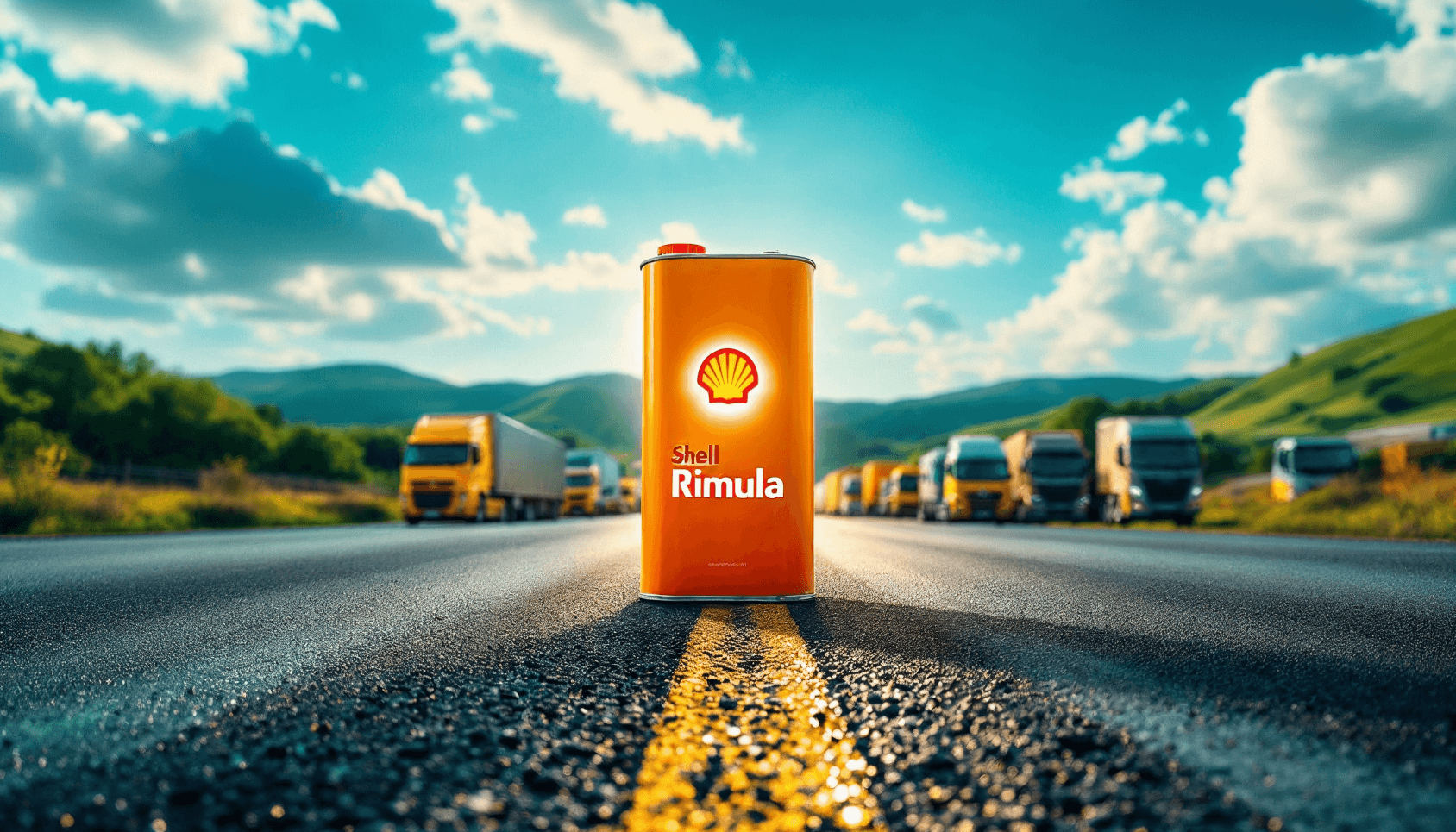
In recent years, the topic of sustainable development in Uzbekistan and Central Asia has become increasingly relevant. Growing industrialization, expanding vehicle fleets, and rising energy consumption are leading to higher pollution levels. According to UN Development Programme data, greenhouse gas emissions in Central Asia have increased by more than 25% over the past 20 years, with Uzbekistan accounting for nearly half of the region’s total emissions.
For businesses, this is not only an environmental but also an economic issue. The higher the fuel consumption and the more frequent the replacement of oils and parts, the greater the CO₂ emissions and costs. The solution is transitioning to modern lubricants, such as Shell oils, which simultaneously reduce the carbon footprint and increase equipment operational efficiency.
For businesses, this is not only an environmental but also an economic issue. The higher the fuel consumption and the more frequent the replacement of oils and parts, the greater the CO₂ emissions and costs. The solution is transitioning to modern lubricants, such as Shell oils, which simultaneously reduce the carbon footprint and increase equipment operational efficiency.
Sustainable development in industry: global and local context
Global trends
Situation in Central Asia
- According to the International Energy Agency (IEA), by 2040, global CO₂ emissions must be reduced by 40% to curb temperature rise.
- More than 70 countries have already adopted a “Net Zero” strategy. For industry, this means transitioning to energy-efficient technologies, modernizing equipment, and using new lubricants.
Situation in Central Asia
- In Uzbekistan, about 75% of electricity is generated at gas-fired power plants, where the consumption of oils and coolants plays an important role in efficiency and emissions.
- The country’s vehicle fleet numbers over 3.5 million vehicles, a significant portion of which are trucks and passenger transport, often operating on outdated oils, increasing emissions.
- In the mining sector, which contributes about 15% of Uzbekistan’s GDP, the use of low-quality oils leads to higher fuel costs and increased atmospheric emissions.
Modern Shell oils and CO₂ emission reduction
Shell oils are manufactured using technologies that enhance engine and equipment performance, reducing fuel consumption and, consequently, CO₂ emissions.
Energy efficiency and TCO
Extended replacement intervals
Engine cleanliness and wear reduction
Energy efficiency and TCO
- Using Shell synthetic oils reduces engine friction, saving up to 3% in fuel. For a fleet of 100 trucks, this can result in savings of up to 200,000 liters of fuel per year, equivalent to a reduction of approximately 500 tons of CO₂ emissions.
- Switching to oils with extended service life reduces the number of replacements and disposal costs, lowering the overall Total Cost of Ownership (TCO) of equipment by 10–15%.
Extended replacement intervals
- Modern Shell oils allow a 20–30% longer replacement interval compared to mineral equivalents. This means fewer used oils and lower costs for their disposal.
Engine cleanliness and wear reduction
- Thanks to enhanced detergent properties, Shell oils reduce the formation of deposits and soot. This ensures more complete fuel combustion, lowering emissions of carbon oxides and particulate matter.
Recycling programs and environmental impact
OilGroup Uzbekistan™, the official Shell distributor in Uzbekistan, offers not only oil supply but also environmental solutions:
- Organization of collection and recycling of used oils and fluids. This helps enterprises avoid fines and comply with new legal requirements.
- Reduction of the carbon footprint of enterprises. Our specialists calculate CO₂ emissions and propose strategies for transitioning to Shell products with a lower carbon profile.
- Support for sustainable production. Together with clients, we implement programs to reduce costs and emissions, making production more competitive.
Practical case studies
Logistics company in Tashkent
Transitioning to Shell Rimula R6 LME 5W-30 reduced fuel consumption by 2.8% and increased the oil change interval by 300 engine hours. Over a year, a fleet of 60 trucks lowered CO₂ emissions by 120 tons and saved over $70,000.
Agricultural enterprise in the Fergana Valley
The farm switched its tractors to modern engine oils Rimula R5L 15W40, Rimula R6M 10W40, and Tellus S3. Result: 5% reduction in fuel consumption, extended pump service life, and a 20% decrease in used oil volume.
Energy sector (Navoiy region)
At a gas turbine power plant, switching to Shell turbine oils extended the oil service life by 800 hours, reducing the number of replacements and cutting waste by 15 tons per year.
Transitioning to Shell Rimula R6 LME 5W-30 reduced fuel consumption by 2.8% and increased the oil change interval by 300 engine hours. Over a year, a fleet of 60 trucks lowered CO₂ emissions by 120 tons and saved over $70,000.
Agricultural enterprise in the Fergana Valley
The farm switched its tractors to modern engine oils Rimula R5L 15W40, Rimula R6M 10W40, and Tellus S3. Result: 5% reduction in fuel consumption, extended pump service life, and a 20% decrease in used oil volume.
Energy sector (Navoiy region)
At a gas turbine power plant, switching to Shell turbine oils extended the oil service life by 800 hours, reducing the number of replacements and cutting waste by 15 tons per year.
Economic and environmental benefits
- Fuel savings. Even a 2% reduction in consumption for a large enterprise in Uzbekistan translates into millions of soms annually.
- Waste reduction. Using oils with extended service life decreases the volume of used products by 20–30%.
- Compliance with international standards. For export-oriented companies, this is critical: meeting environmental standards enables collaboration with partners from the EU and other regions.
- Company image. More and more clients pay attention to sustainability and environmental responsibility. Enterprises implementing modern oils and recycling programs enhance their reputation and attractiveness to investors.
Uzbekistan and sustainable development prospects
The government of Uzbekistan has set a goal to reduce the energy intensity of the economy by 35% by 2030. In this strategy, transitioning to modern technologies, including efficient lubricants, plays an important role.
For businesses, this is not only about compliance but also an opportunity to gain competitive advantages:
For businesses, this is not only about compliance but also an opportunity to gain competitive advantages:
- cost reduction,
- access to preferential loans and investments for “green” projects,
- improved export opportunities.
Modern Shell oils are a tool that enables enterprises to simultaneously improve efficiency and reduce environmental impact.
For companies in Uzbekistan and Central Asia, this means:
OilGroup Uzbekistan™, as the official Shell distributor in Uzbekistan, not only supplies products but also helps implement comprehensive sustainable development programs — from oil selection to waste recycling.
For companies in Uzbekistan and Central Asia, this means:
- fuel savings and cost reduction;
- reduced CO₂ emissions;
- fewer used oils;
- compliance with new regulatory requirements.
OilGroup Uzbekistan™, as the official Shell distributor in Uzbekistan, not only supplies products but also helps implement comprehensive sustainable development programs — from oil selection to waste recycling.
Contact us to discuss your needs. We will offer a solution that helps your business operate more efficiently, safely, and sustainably.
+998 78 148-1-148, +998 98 117-8-711
info@oilgroup.uz